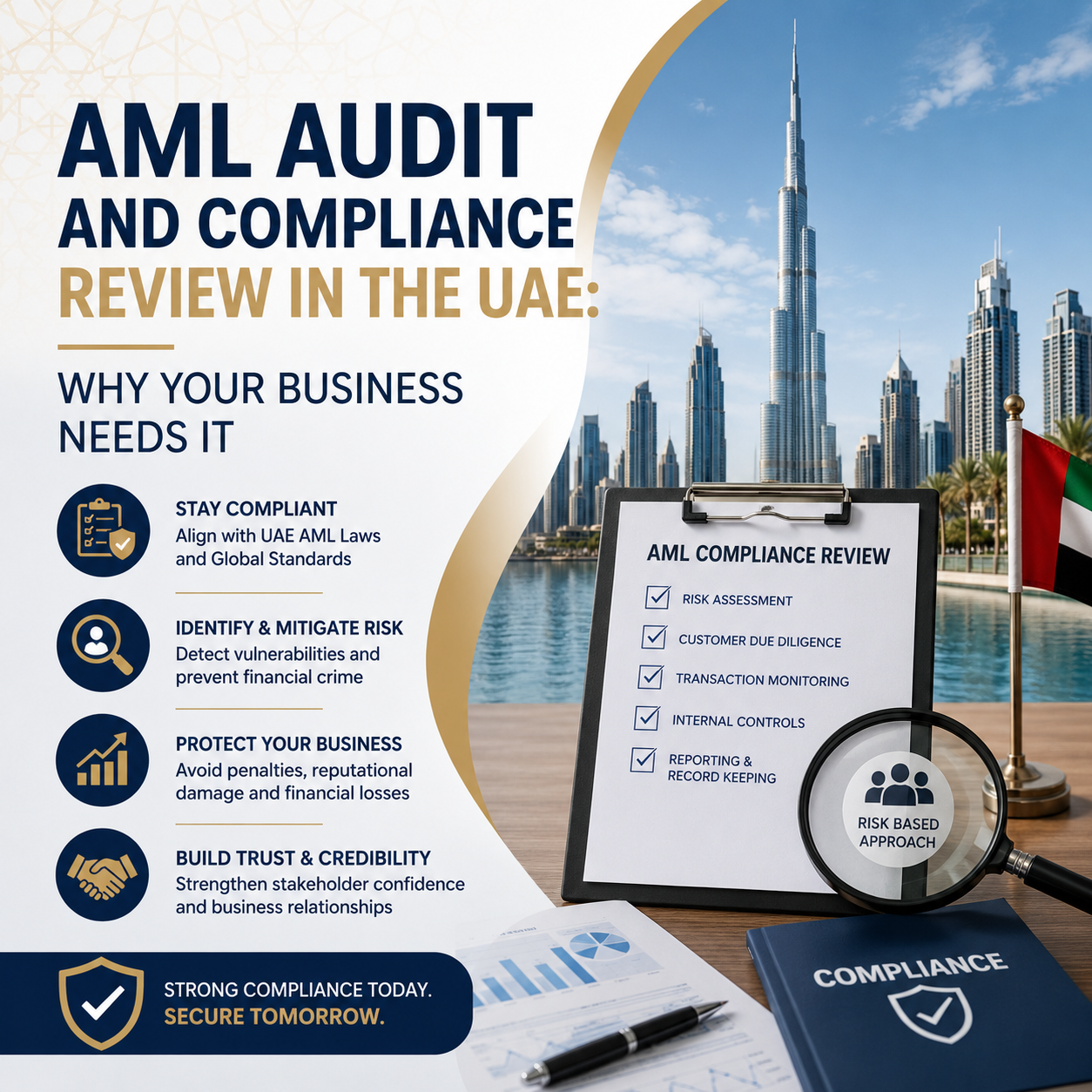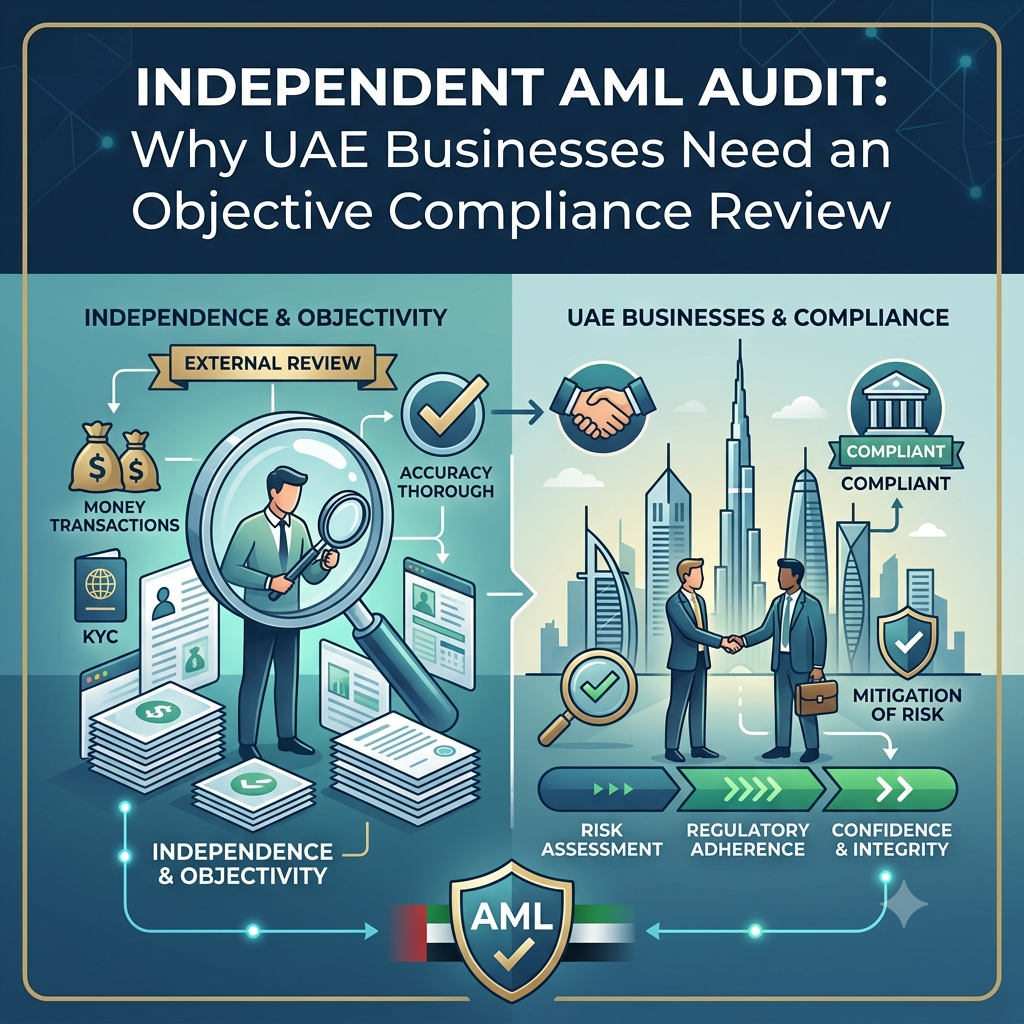

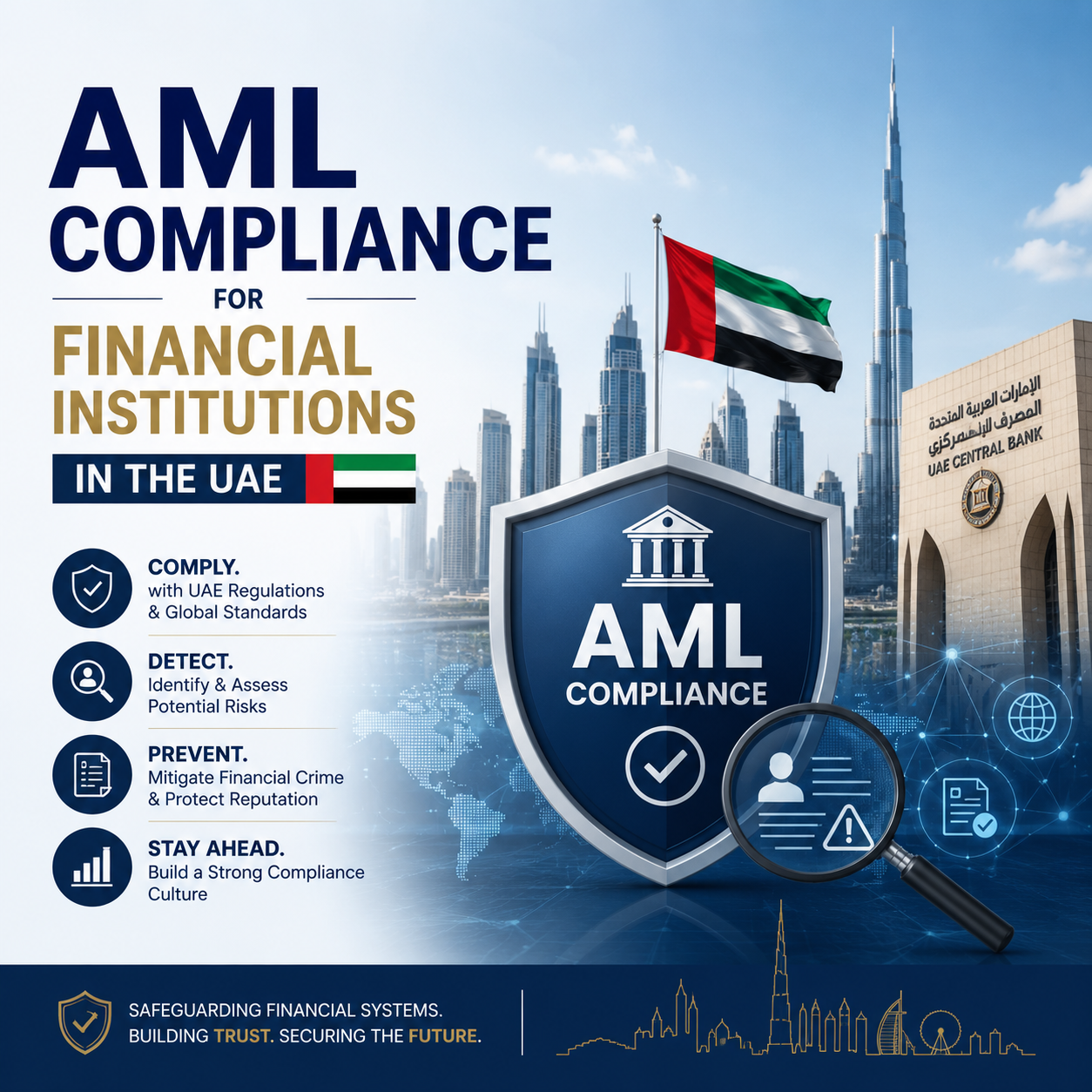
Financial crime regulations in the UAE are becoming stricter as authorities strengthen their efforts to combat money laundering and terrorist financing. For banks, investment firms, insurance providers, and fintech companies, AML Compliance for Financial Institutions is no longer optional. It is a critical requirement for maintaining operational integrity and avoiding heavy penalties.
As one of the leading global financial hubs, the UAE has implemented robust Anti Money Laundering frameworks aligned with international standards. Financial institutions that fail to comply risk reputational damage, regulatory sanctions, and financial losses. Businesses must adopt proactive compliance strategies to remain competitive and secure.
Why AML Compliance for Financial Institutions Matters in the UAE
The UAE has introduced advanced regulations through the Central Bank of the UAE and other financial authorities to strengthen financial transparency. Financial institutions are expected to identify suspicious activities, verify customer identities, and maintain accurate reporting systems.
AML Compliance for Financial Institutions helps organizations:
- Prevent financial fraud and money laundering
- Reduce legal and regulatory risks
- Protect business reputation
- Improve operational transparency
- Build customer trust and confidence
With the rapid growth of digital banking and cross border transactions, financial institutions face increasingly complex compliance challenges. A strong AML framework ensures businesses can respond effectively to evolving threats.
Key Components of AML Compliance for Financial Institutions
Customer Due Diligence
Customer Due Diligence, commonly known as CDD, is the foundation of any AML program. Financial institutions must verify customer identities, assess risk profiles, and monitor transactions continuously.
Enhanced Due Diligence is particularly important for high risk clients, politically exposed persons, and international transactions.
Transaction Monitoring
Transaction monitoring systems help identify unusual financial behavior. Automated AML software can flag suspicious activities such as:
- Large unexplained transfers
- Rapid movement of funds
- Transactions involving high risk jurisdictions
- Structuring transactions to avoid reporting thresholds
Real time monitoring improves detection accuracy and strengthens compliance efficiency.
Risk Assessment and Management
Every financial institution must conduct regular AML risk assessments. This process identifies vulnerabilities within operations, customer segments, and transaction channels.
A tailored risk based approach allows businesses to allocate resources effectively and focus on high risk areas.
Regulatory Reporting
Financial institutions in the UAE are required to report suspicious activities to relevant authorities. Timely reporting demonstrates compliance commitment and reduces regulatory exposure.
Maintaining detailed documentation and audit trails is essential for inspections and compliance reviews.
Common AML Challenges Faced by UAE Financial Institutions
Despite technological advancements, many institutions still struggle with implementing AML Compliance for Financial Institutions effectively. Common challenges include:
Rapidly Changing Regulations
AML laws and global compliance standards continue to evolve. Financial institutions must stay updated with UAE regulations and international requirements.
Increasing Financial Crime Sophistication
Cybercrime and digital payment fraud are becoming more advanced. Criminals use complex methods to bypass traditional compliance systems.
Operational Costs
Implementing AML systems, staff training, and ongoing monitoring can be expensive without the right compliance strategy.
Data Management Issues
Managing large volumes of customer and transaction data requires secure and scalable compliance infrastructure.
How Expert AML Compliance Solutions Help
Partnering with experienced compliance professionals can simplify AML operations while improving regulatory readiness. Ontrax Compliance & Risk Management Ltd offers tailored AML solutions designed specifically for financial institutions operating in the UAE.
Their services focus on:
- AML risk assessments
- Regulatory compliance consulting
- Policy and procedure development
- KYC and customer onboarding support
- Transaction monitoring solutions
- AML training and awareness programs
Businesses can also explore their dedicated page for AML Compliance for Financial Institutions to understand how customized compliance strategies can support long term growth and regulatory success.
Benefits of a Strong AML Compliance for Financial Institutions Framework
An effective AML framework provides more than regulatory protection. It also supports business growth and operational efficiency.
Improved Reputation
Financial institutions with strong compliance systems are viewed as trustworthy by regulators, investors, and customers.
Reduced Penalties
Proper AML controls significantly lower the risk of fines, investigations, and enforcement actions.
Better Operational Efficiency
Automated compliance tools reduce manual workloads and improve monitoring accuracy.
Enhanced Customer Confidence
Clients prefer institutions that prioritize security, transparency, and financial integrity.
Choosing the Right AML Compliance Partner
Selecting a reliable AML compliance provider is essential for long term success. Businesses should look for partners with:
- UAE regulatory expertise
- Industry specific compliance knowledge
- Advanced AML technology solutions
- Proven risk management experience
- Scalable compliance services
A customized approach ensures financial institutions receive solutions aligned with their operational structure and risk profile.
Conclusion
AML Compliance for Financial Institutions is a critical part of operating successfully in the UAE’s highly regulated financial sector. With increasing regulatory scrutiny and evolving financial crime risks, businesses must adopt comprehensive AML strategies that combine technology, expertise, and proactive risk management.
By partnering with experienced compliance specialists like Ontrax Compliance & Risk Management Ltd, financial institutions can strengthen compliance frameworks, improve operational efficiency, and protect their reputation in a competitive market. Take the next step toward secure and compliant financial operations by implementing a tailored AML compliance solution today.